
About Wen

My background, therapeutic approach, and the wider professional context behind this work.

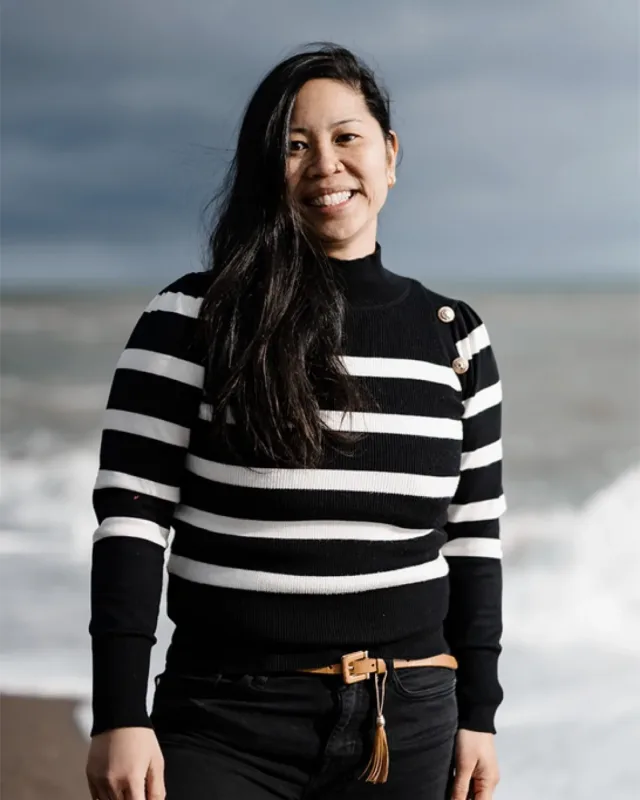
Portrait of Wen

Professional Bio

A reflective practice shaped by neuroscience, play, and lived experience.

I’m a creative psychotherapist specialising in play therapy, based in Newtownmountkennedy, Co. Wicklow.

With a PhD in neuroscience, I bring together science and clinical practice, drawing on my understanding of brain development, relational neurobiology, and the role of safety and connection in healing.

My professional path was shaped by my personal journey as a mother to a child with Down syndrome, which led me from academic research into therapeutic work with children and families. My approach is child-led, relational, and grounded in the belief that play is a powerful medium for expression, regulation, and growth.

Alongside my clinical work, I’m passionate about creating broader, systemic change through community-based initiatives that support family and child wellbeing. My work is guided by a commitment to compassion, curiosity, and finding moments of joy even in life’s most challenging experiences.

Professional Credentials

Qualifications and professional standards at a glance.

The strongest foundations of my work sit in psychotherapy, play therapy, neuroscience, and a carefully maintained professional practice.

  • Postgraduate Diploma in Play Therapy
  • MA in Creative Psychotherapy (Humanistic & Integrative Modality)
  • PhD in Neuroscience, Trinity College Dublin
  • Fully accredited member of Irish Association for Play Therapy and Psychotherapy (IAPTP)
  • Accredited Member, European Association of Integrative Psychotherapy (EAIP)
  • Garda-vetted
  • Children First compliant
  • Fully insured
  • Ongoing professional development in trauma, attachment, regulation, neurodevelopment, disability psychotherapy, and therapeutic play
View selected professional development

Philosophy

Where safety and connection come first.

Meeting the child where they are

Every child is unique, so therapy is tailored to their individual needs, developmental stage, and pace. Rather than a one-size-fits-all approach, the focus is on understanding how each child experiences the world and how they communicate through play, behaviour, words, or silence.

The process is child-led within a safe and structured environment, allowing trust to develop over time. By following the child’s lead while providing consistent, attuned support, therapy creates the conditions for emotional regulation, connection, and meaningful change.

Safety, relationship, and regulation

Children thrive when they feel safe, seen, and understood. These experiences form the foundation for building trust, strengthening relationships, and supporting emotional regulation.

Within a consistent and attuned therapeutic relationship, children can begin to make sense of their feelings, develop resilience, and move towards healthier patterns of development.

Parents and carers matter

Parents, carers, and other important adults such as teachers play a central role in a child’s therapeutic journey. A child’s wellbeing is shaped not only within the therapy space, but through the relationships and environments around them.

Working collaboratively with the adults in a child’s life helps to create consistency, strengthen understanding, and support meaningful, lasting change beyond the therapy room.

Integrative and creative practice

I draw on a range of therapeutic and neuroscience-informed approaches to understand each child’s inner world with flexibility, care, and curiosity. My work is grounded in relational neuroscience, attachment theory, and trauma-informed practice, including the work of Bruce Perry, Stephen Porges’ Polyvagal Theory, and Daniel J. Siegel.

I also integrate humanistic principles from Carl Rogers and Abraham Maslow, alongside child-centred and integrative play therapy approaches influenced by Virginia Axline and Charles Schaefer. By weaving together these perspectives, I aim to offer a creative and responsive approach that supports emotional regulation, strengthens relationships, and meets each child at their unique stage of development.